Vietnam is not only famous for its breathtaking landscapes but also for its incredibly diverse cuisine.
As you travel from north to south, you’ll notice that the same dish can taste completely different depending on where it is prepared. Climate, geography, history, and local traditions have all influenced the culinary identity of each region.
So what makes the food of Northern, Central, and Southern Vietnam unique?
Northern Vietnam – Subtle, Balanced, and Traditional
Northern Vietnamese cuisine is often considered the foundation of the country’s culinary culture.
The flavors are generally lighter and more balanced, with less sugar and chili than in other regions. The focus is on preserving the natural taste of ingredients and creating harmonious broths and sauces.
Signature Characteristics
- Mild and balanced flavors
- Less sweet
- Delicate seasoning
- Clear and flavorful broths
Must-Try Dishes
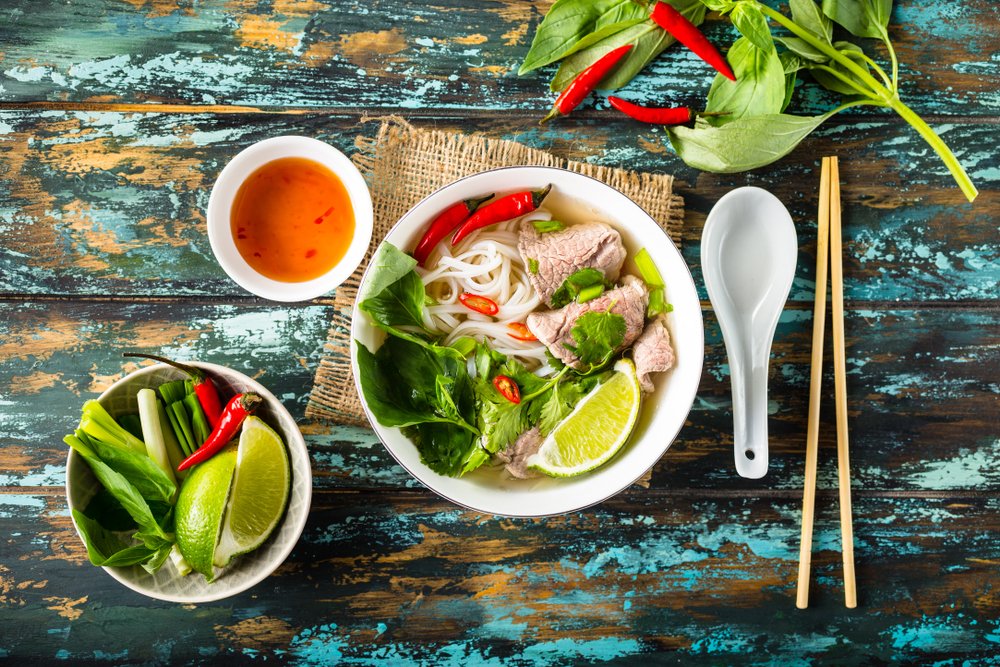
- Pho
- Bun Cha
- Bun Thang
- Banh Cuon
The cuisine of Hanoi perfectly represents the refined culinary traditions of Northern Vietnam.
Central Vietnam – Bold, Spicy, and Refined
If Northern cuisine is subtle, Central Vietnam is known for its stronger and spicier flavors.
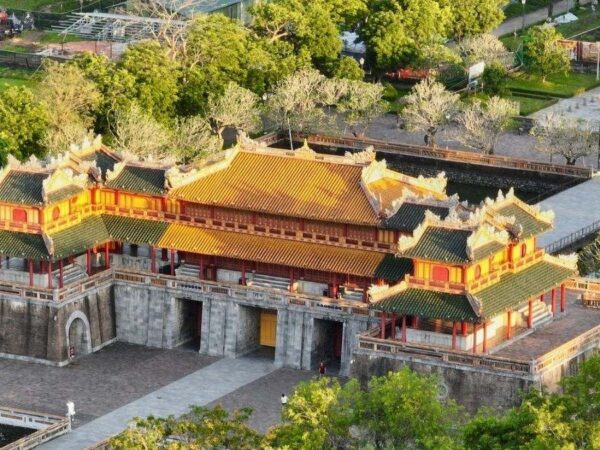
The region, especially Hue, was once the imperial capital of Vietnam. As a result, many dishes are beautifully presented and prepared with remarkable attention to detail. Central cuisine is famous for combining artistry with bold flavors.
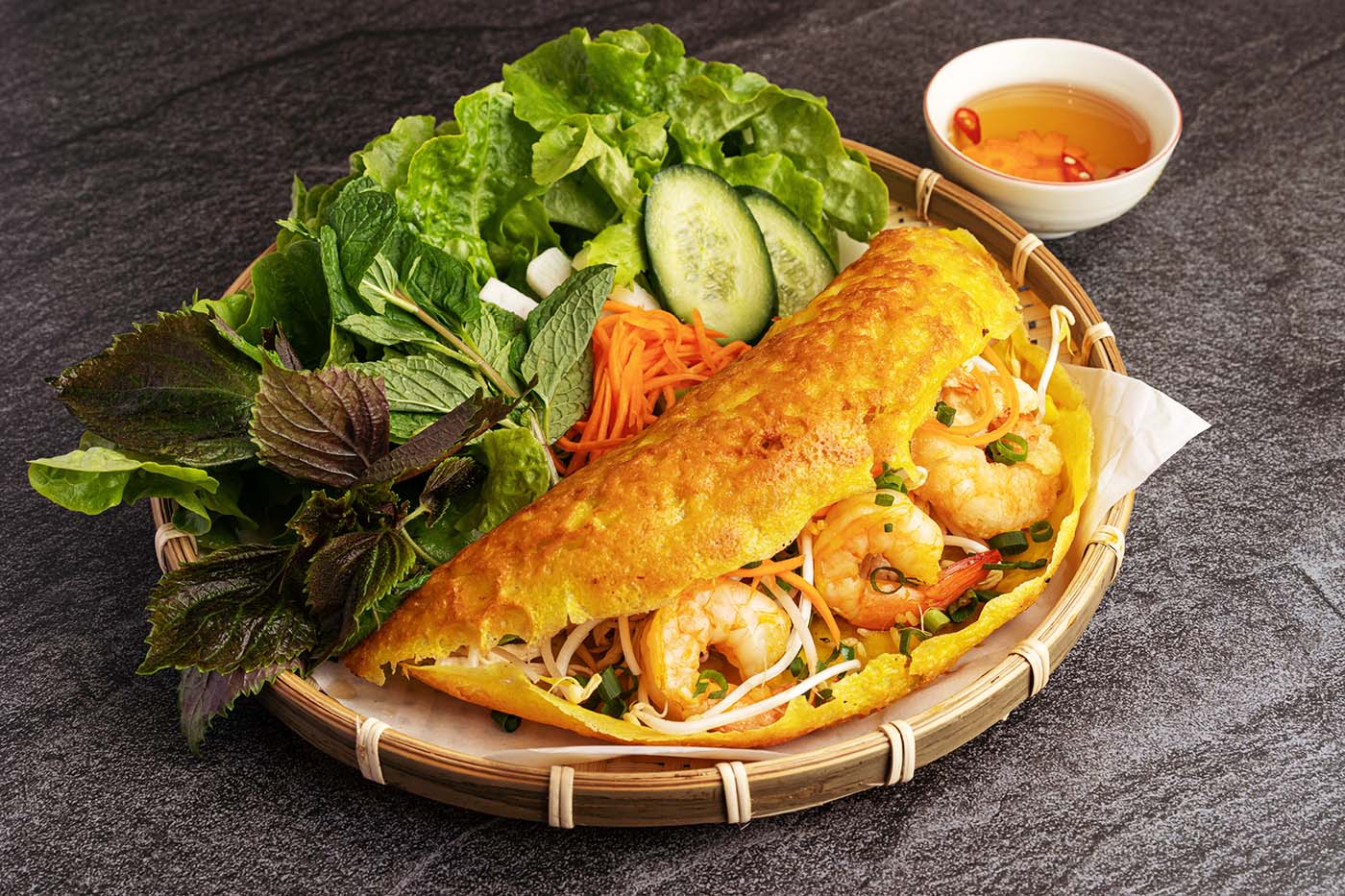
Signature Characteristics
- Spicier flavors
- Rich seasonings
- Smaller, beautifully presented dishes
- Strong influence from royal cuisine
Must-Try Dishes
- Bun Bo Hue
- Mi Quang
- Cao Lau
- Banh Beo
- Banh Bot Loc
Many travelers consider Central Vietnam the culinary heart of the country because of its unique blend of history, creativity, and flavor.
Southern Vietnam – Sweet, Fresh, and Diverse
Southern Vietnamese cuisine reflects the fertile landscape of the Mekong Delta and the region’s cultural diversity.
The food tends to be sweeter and more generous with herbs, vegetables, and tropical ingredients. Coconut milk and palm sugar are commonly used, giving many dishes their distinctive flavor.

Signature Characteristics
- Sweeter flavors
- Abundant fresh herbs and vegetables
- Coconut-based ingredients
- Strong influences from neighboring cultures
Must-Try Dishes
- Com Tam
- Hu Tieu
- Bun Thit Nuong
- Goi Cuon
The South’s warm climate and rich agricultural resources have helped create one of the most vibrant food cultures in Southeast Asia.
One Dish, Three Different Styles
A great example of regional differences is Pho.
Northern Pho
- Clear broth
- Simpler presentation
- Focus on the broth itself
Southern Pho
- More herbs and garnishes
- Slightly sweeter flavor
- More customizable condiments
These differences reflect the broader culinary philosophy of each region.
Which Region Has the Best Food?
The answer depends on your personal taste:
✅ Choose Northern cuisine if you enjoy balanced and traditional flavors.
✅ Choose Central cuisine if you love spicy food and culinary creativity.
✅ Choose Southern cuisine if you prefer sweeter flavors, fresh herbs, and tropical ingredients.
Each region offers a unique perspective on Vietnamese culture and history through food.
One of the most exciting parts of traveling through Vietnam is discovering how dramatically the cuisine changes from region to region.